When you start comparing aquarium setups, the term AIO aquarium comes up often. It is usually positioned as a cleaner, more advanced alternative to a basic starter kit, and that raises an important question. Is it actually better, or just more expensive?
Many hobbyists reach this point when they want something that looks more refined than a standard tank with equipment hanging off the back. Others are upgrading from a smaller setup and want better performance without moving into complicated sump systems.
An AIO aquarium sits somewhere in the middle. It promises simplicity, organization, and a more polished display. But whether it is worth the investment depends on your goals, your budget, and how serious you are about the hobby.
Before making that decision, it helps to clearly understand what an AIO aquarium is and how it works. Let’s break that down first.
What Is an AIO Aquarium?
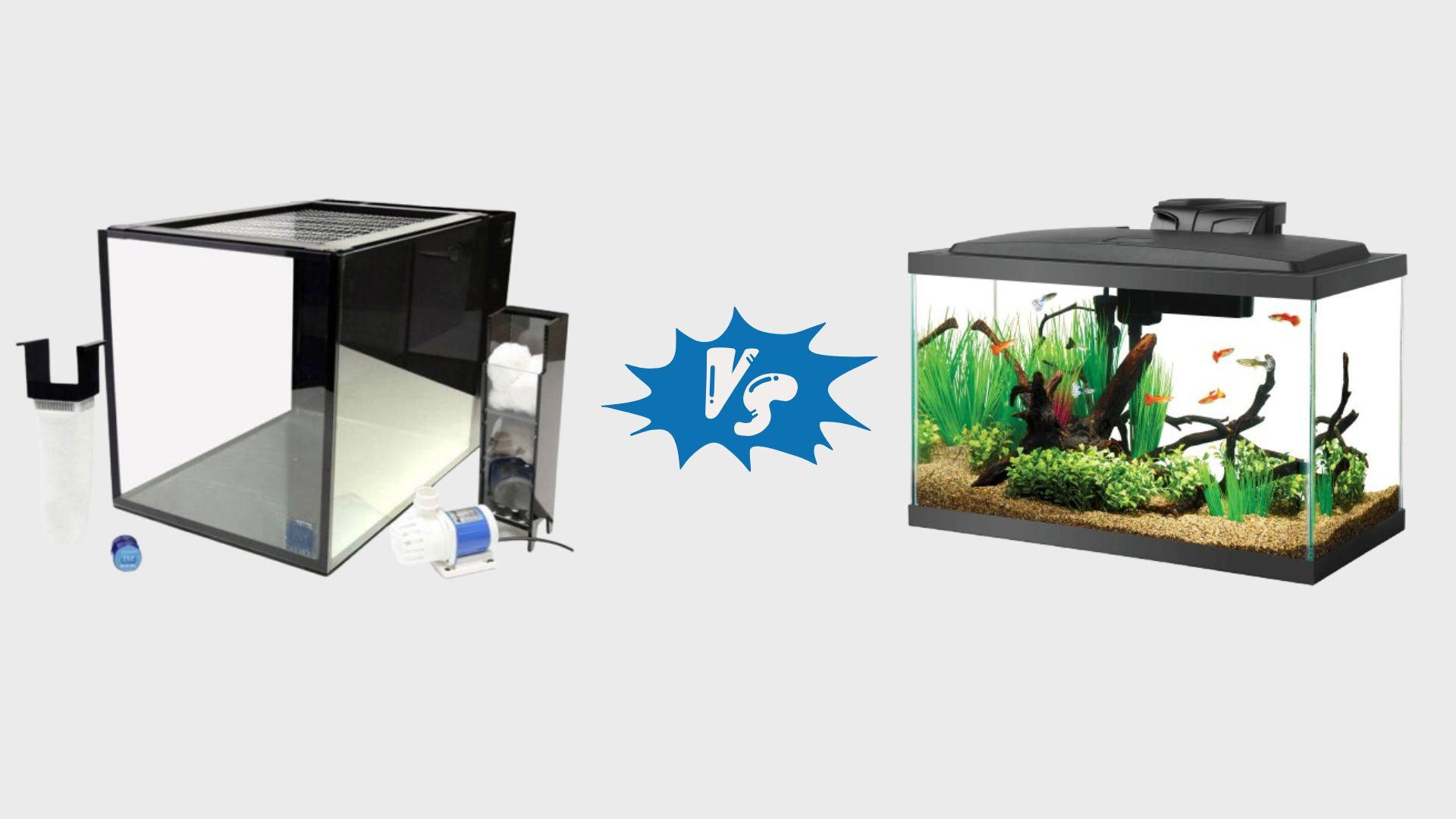
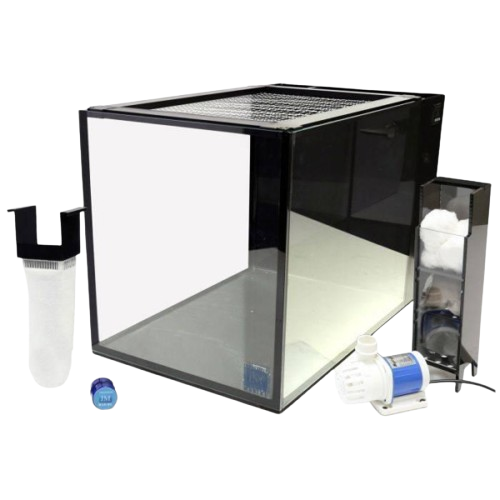
An AIO aquarium, short for All In One aquarium, is a tank that has its filtration system built directly into the tank itself. Instead of using a separate hang on back filter or external equipment, the filtration components are housed in a dedicated chamber that is part of the aquarium’s design.
This chamber is typically located at the back of the tank and separated from the main display area by a solid divider. From the front, you only see the display section where your fish and aquascape are. The equipment remains hidden behind the scenes.
Most AIO aquarium systems include the following built in components:
- Mechanical filtration to remove debris and uneaten food
- Biological filtration media to support beneficial bacteria
- A return pump to circulate water back into the display
- A designated area for a heater
- Space for optional chemical media such as carbon
Water flows from the display area into the rear filtration chamber, moves through each filtration stage, and is then pumped back into the tank. This creates a continuous loop that keeps the water clean and properly circulated.
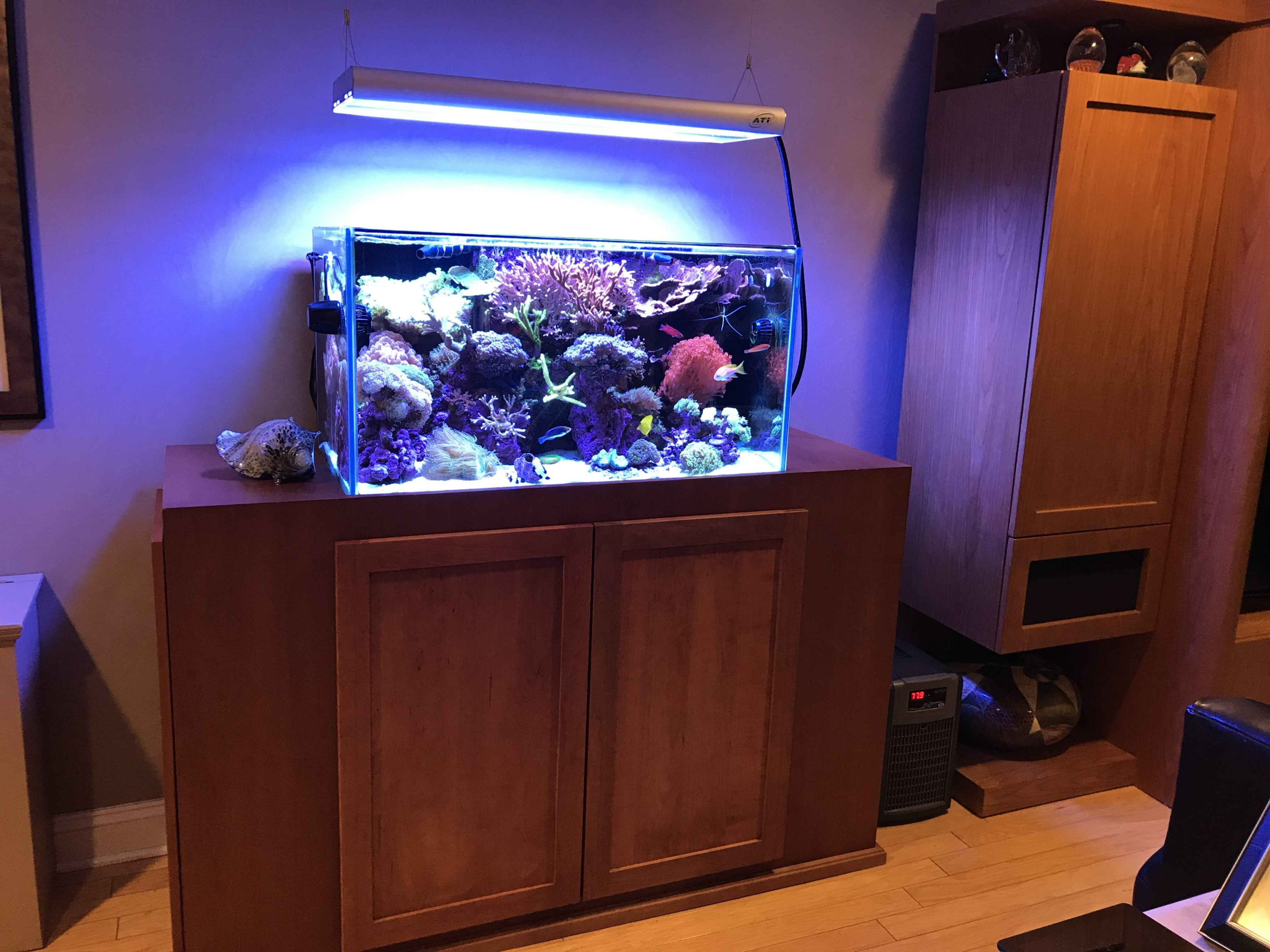
The main appeal of an AIO aquarium is that everything is contained within a single system. There are no external filters hanging off the back, no visible intake tubes, and no need for additional plumbing. The design keeps the setup compact and visually clean while still providing effective filtration.
Because of this integrated structure, an AIO aquarium often feels more organized and streamlined compared to a traditional tank setup.
How Does an AIO Aquarium Work?
An AIO aquarium works by moving water through a controlled internal filtration cycle. Instead of relying on external filters, the system pulls water from the display area into the filtration section where it is cleaned and then returned back into the tank.
The process typically follows these stages:
1. Surface and Intake Flow
Water enters the filtration area through overflow slots or intake openings. These are positioned to pull water from the display section, often helping remove surface film and suspended debris.
2. Mechanical Filtration
The first stage usually contains filter pads or sponges. This step removes visible waste such as uneaten food, fish waste, and floating particles. Mechanical filtration improves clarity and prevents debris from reaching later stages.
3. Biological Filtration
Next, water flows through biological media such as ceramic rings or bio blocks. This is where beneficial bacteria live. These bacteria break down harmful ammonia and nitrites into less toxic nitrates, which is essential for maintaining stable water conditions.
4. Optional Chemical Filtration
Some AIO aquarium setups include space for carbon or other chemical media. This stage helps remove odors, discoloration, and dissolved impurities. Many hobbyists use Premium Carbon Cartridge Filter Pads during this stage to improve water clarity and maintain a cleaner display.
5. Return Pump Circulation
After passing through filtration, the return pump pushes the cleaned water back into the display section. This creates steady circulation, supports oxygen exchange, and helps distribute heat evenly throughout the tank.
Because everything operates within one system, the water cycle remains compact and controlled. There is no need for additional plumbing or external hoses.
One of the reasons many people choose an AIO aquarium is that this internal flow system keeps equipment organized while still providing reliable filtration performance.
Is an AIO Aquarium Good for Beginners?
Yes, an AIO aquarium can be a very good option for beginners, but it depends on what kind of start you want in the hobby.
Many first time fish keepers assume they should begin with the cheapest starter kit available. While that works for some people, others quickly realize they want something that looks cleaner and performs more consistently. This is where an AIO aquarium often makes sense.
For beginners, the biggest advantages are organization and simplicity. Everything has a designated place. You do not have to figure out how to mount a filter, hide equipment, or manage multiple external components. The structure guides you.
An AIO aquarium is especially suitable for beginners who want:
- A clean and modern looking tank
- Less visible equipment and wires
- A system that feels more organized
- The option to upgrade components later
- A tank that works well in living rooms or offices
Another important factor is water stability. Mid-sized AIO aquariums, such as the Fusion Pro 2 14 Gallon AIO Peninsula Aquarium, often provide more stable water conditions than very small entry level tanks. Stable water parameters make fish keeping easier and more forgiving for beginners.
That said, there are a few considerations. An AIO aquarium usually costs more upfront than a basic starter kit. If budget is the primary concern and you are testing the hobby, a simple starter setup may feel safer financially.
However, for beginners who already know they want a well designed display and plan to stay in the hobby, starting with an AIO aquarium can actually prevent the need to upgrade later.
In practical terms, an AIO aquarium is beginner friendly when:
- You are willing to learn basic maintenance
- You want a long term setup instead of a temporary one
- You value both function and presentation
For many hobbyists, it strikes a balance between simplicity and performance without stepping into advanced sump systems or complex plumbing.
Pros of an AIO Aquarium
An AIO aquarium offers several advantages that make it appealing to both beginners and experienced hobbyists.
- Clean and uncluttered appearance: The filtration system stays hidden, so the display area remains visually clean and focused on your fish and aquascape.
- Space efficient design: Since everything is integrated, you do not need extra room behind the tank for external filters.
- Organized setup: Each component has a designated compartment, which keeps equipment structured and easier to manage.
- Upgrade flexibility: Many AIO aquarium systems allow you to improve pumps, filtration media, or lighting without replacing the entire tank. For those who eventually want more control over temperature, lighting, and water parameters, automation systems can be a logical next step. You can explore our article on Is the Neptune Apex Controller Worth It to understand how controller based systems work.
- Suitable for modern interiors: The streamlined look fits well in living rooms, offices, and reception areas.
- Balanced performance: Proper internal flow and filtration provide reliable water circulation in a compact system.
These benefits are why many hobbyists choose an AIO aquarium when they want something more refined than a basic starter kit.
Cons of an AIO Aquarium
While an AIO aquarium offers several advantages, it is important to understand its limitations before deciding.
- Higher upfront cost: An AIO aquarium usually costs more than a basic starter kit, which can be a factor for budget conscious beginners.
- Limited filtration chamber space: The built in rear compartment has fixed space, so you cannot expand it the way you could with an external sump system.
- Less flexibility than advanced systems: For hobbyists planning large reef setups or heavy stocking, external filtration may offer more customization.
- Maintenance access can feel tighter: Because everything is contained in a rear chamber, cleaning or replacing media may require reaching into narrower compartments.
- Not ideal for very large aquariums: In bigger tanks, separate sump systems often provide stronger filtration capacity.
Understanding these trade offs helps you decide whether an AIO aquarium matches your long term plans.
Are All In One(AIO) Aquariums Worth It?
All In One aquariums are worth it for hobbyists who want a cleaner setup, organized filtration, and long term flexibility without moving into complex sump systems.
The value of an AIO aquarium depends on what you prioritize. If your main concern is the lowest possible starting cost, a traditional option like a 13.5 Gallon Bow Front Glass Aquarium Kit may meet your needs.
However, if you care about aesthetics, structured design, and upgrade potential, an AIO aquarium often provides better overall satisfaction.
AIO aquariums are typically worth it when:
- You want a display tank that looks clean and uncluttered
- You plan to stay in the hobby for more than a short trial period
- You prefer integrated filtration over external hang on filters
- You want the option to upgrade components later
- You value both performance and presentation
Although the upfront price is higher, many hobbyists avoid the cycle of replacing entry level equipment after a few months. Starting with an AIO aquarium can reduce the need for early upgrades and create a more stable long term setup.
For someone who sees their aquarium as both a hobby and part of their living space, an All In One aquarium often justifies the investment.
If you are still comparing a built-in system to a traditional beginner setup, our full AIO aquarium vs starter kit guide breaks down the differences in filtration, cost, stability, and long-term value to help you decide which direction makes the most sense.
Who Should Choose an AIO Aquarium?
An AIO aquarium is a smart choice for hobbyists who want a balance between simplicity and performance.
It is especially suitable for:
- Beginners who want a premium setup from the start
- Hobbyists upgrading from a basic starter kit
- Apartment owners with limited space
- Aquascaping enthusiasts who prefer a clean display
- Anyone who values a modern, uncluttered look
If you want a system that feels organized, looks refined, and offers room to grow without adding complicated plumbing, an AIO aquarium is a practical option.
What Size AIO Aquarium Is Best?
The best AIO aquarium size depends on your space, experience level, and the type of fish you plan to keep.
Smaller AIO aquariums, such as 5 to 10 gallons, are ideal for:
- Desk or office setups
- Betta fish or small species
- Minimalist aquascapes
- Limited space environments
However, very small tanks require closer monitoring because water parameters can change quickly.
Mid sized AIO aquariums, around 13 to 14 gallons, are often the best balance for most hobbyists. They provide:
- Better water stability
- More stocking flexibility
- Easier long term maintenance
- Room for creative aquascaping
In general, slightly larger tanks are more forgiving and easier to manage than very small ones. If space allows, choosing a mid-sized AIO aquarium usually leads to a more stable and enjoyable experience.
Final Verdict
An AIO aquarium combines filtration, flow, and display into one streamlined system. It removes clutter, improves visual appeal, and offers upgrade potential that most basic starter kits cannot match.
If you want a tank that looks clean, performs reliably, and gives you flexibility for the future, an AIO aquarium is worth serious consideration.
Before purchasing, consider:
- Your budget
- Available space
- Long term hobby plans
- Type of fish or aquascape you want
When chosen carefully, an AIO aquarium can provide a balance of simplicity, durability, and performance that supports both beginners and experienced aquarists.
If you are ready to upgrade your aquarium setup or start with quality equipment from the beginning, explore premium aquarium products at Jawz Aquarium. Find reliable tanks, filtration systems, and accessories designed to support long term success.