Keeping your aquarium clean is one of the most important parts of maintaining a healthy environment for your fish. A clear tank is not just about appearance. Clean water supports stable chemistry, prevents disease, and helps your system run the way it is supposed to. Many aquarium owners think cleaning is something you do only when the water looks cloudy, but waiting until there is a visible problem usually means the issue has already started to affect your fish.
Understanding how often to clean your tank and what each type of maintenance actually does will help you avoid common mistakes and keep your aquarium stable for the long term. Whether you have a freshwater setup or a saltwater system, consistent care is the foundation of a healthy aquarium.
Why Regular Cleaning Matters
Aquariums operate as small ecosystems. Fish waste, leftover food, plant debris, and other organic materials break down over time. If these waste products are not removed, they release harmful compounds that affect water quality. Poor water conditions stress fish and weaken their immune systems, which makes them more vulnerable to disease.
A consistent cleaning schedule helps prevent these issues before they develop. Stable water quality is the biggest factor in long term success, and most aquarium problems start when maintenance becomes irregular.
Regular cleaning also helps your filtration system work more efficiently, allowing it to handle daily waste more effectively. Over time, this creates a stable and predictable environment where fish and plants can thrive with less risk of sudden changes.
How Often Should You Clean Your Aquarium
The exact timeline depends on your tank size, filtration, livestock, and whether you have a freshwater or saltwater system. However, most aquariums benefit from a predictable cleaning schedule.
Weekly Maintenance
A quick weekly routine keeps your system stable and prevents problems from building up. Weekly tasks usually include:
- Checking water clarity and temperature
- Testing water parameters
- Removing debris or uneaten food from the substrate
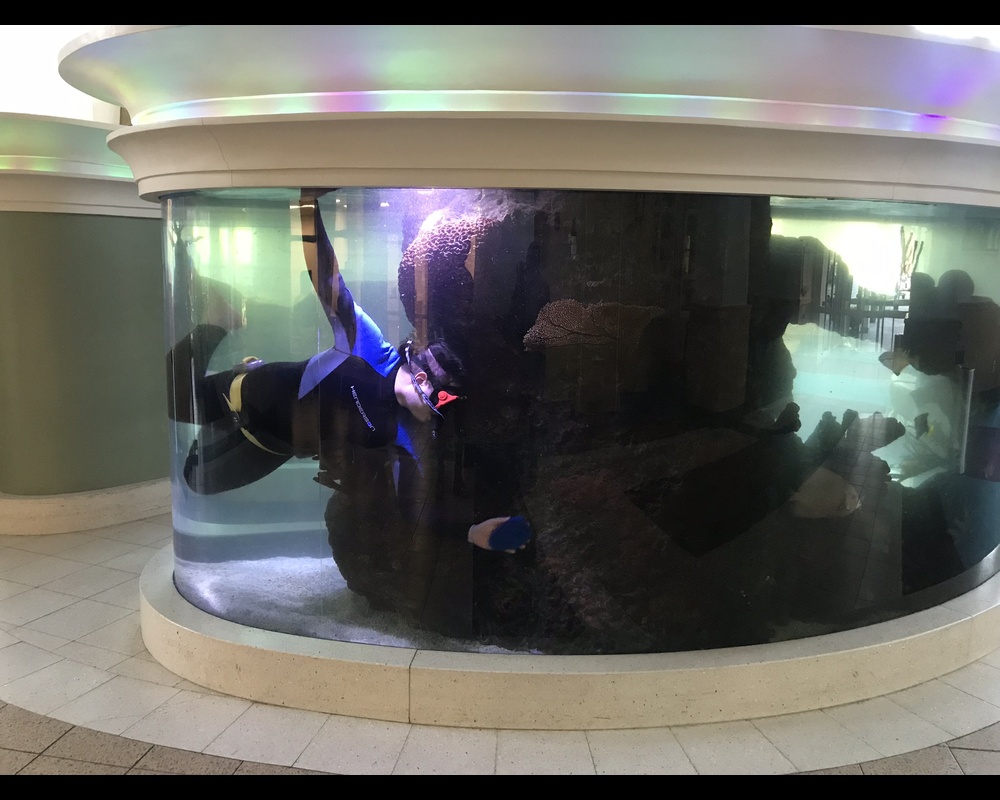
- Cleaning the glass if needed
These small habits make a big difference because they help you catch early signs of imbalance before they turn into larger issues.
Bi Weekly Water Changes
Most aquariums require a water change once every one to two weeks. The goal is to remove old water containing dissolved waste and replace it with fresh, clean water. This helps maintain consistent pH, nitrate levels, and overall water stability.
Freshwater tanks usually follow a 20 to 30 percent change every one to two weeks. Saltwater tanks often follow a similar schedule, but the water needs to be prepared with the correct salinity before use.
Monthly Deep Cleaning
A monthly session focuses on the parts of your aquarium that gradually collect waste over time. This includes:
- Rinsing filter media in old tank water
- Cleaning the filter housing
- Lightly vacuuming the substrate
- Inspecting equipment such as heaters, pumps, and skimmers
These tasks keep the system running smoothly without disrupting beneficial bacteria.
How Freshwater and Saltwater Cleaning Schedules Differ
Freshwater aquariums are usually easier to maintain because the water chemistry is more stable and fish are less sensitive to small fluctuations. They can often follow a simple weekly and bi weekly routine without much complication.
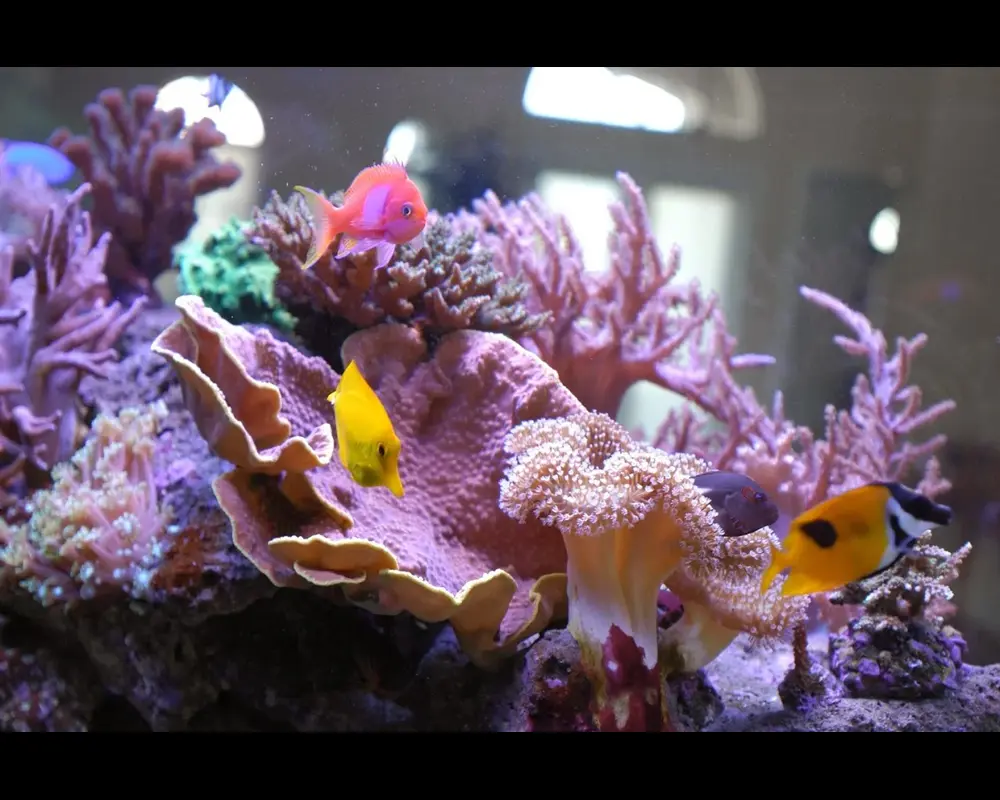
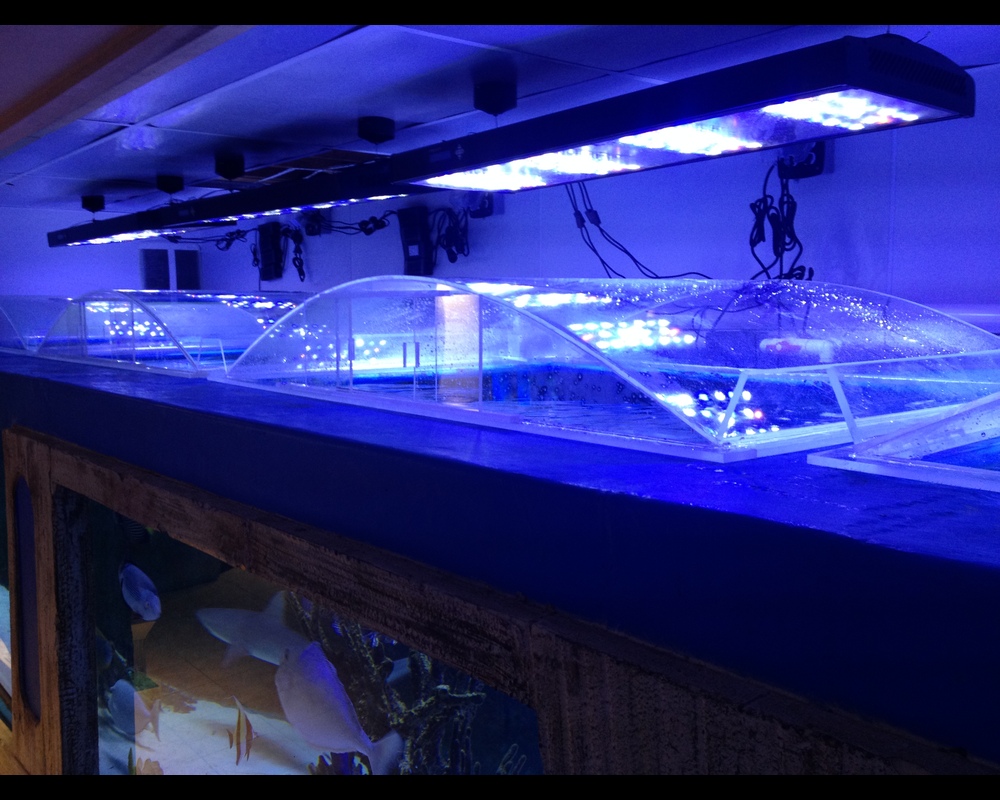
Saltwater aquariums require more attention because marine species depend on precise and stable water parameters. Corals, in particular, need clean, nutrient balanced water. Skimmers, reactors, and high flow systems also need periodic care to keep everything functioning properly.
While the basic timeline is similar, saltwater cleaning requires more careful testing and more frequent equipment checks.
Common Cleaning Mistakes to Avoid
A few simple errors can disrupt the balance of your aquarium, even if the tank looks clean on the surface. Cleaning too aggressively or replacing all filter media at once removes beneficial bacteria that your system depends on. Large water changes done too quickly can also shock your fish and cause sudden shifts in water chemistry.
Another common issue is using untreated tap water, which can introduce chlorine and other harmful substances into the tank. Keeping your routine gentle and consistent is the key to avoiding these problems.
Signs Your Aquarium Needs More Frequent Cleaning
Even if you follow a regular maintenance routine, your tank may show signs that it needs extra attention. These early indicators are usually your system’s way of telling you that waste is building up faster than your schedule can manage.
Look for signs such as:
- Cloudy or slightly tinted water
- Excess algae growth on the glass, rocks, or decorations
- Strong or unusual odors coming from the tank
- Fish breathing rapidly or spending more time near the surface
- Slower water flow caused by clogged filters or pumps
When these issues appear, they usually point to rising nutrient levels or reduced filtration efficiency. Addressing them by increasing water changes, adjusting feeding habits, or cleaning equipment more often can help restore balance and prevent long term problems.
How Tank Size Affects Cleaning Frequency
Smaller tanks need more frequent attention because waste builds up faster in limited water volume. Larger tanks stay more stable because they dilute waste more effectively.
- Small tanks under 20 gallons often require weekly water changes
- Medium tanks between 20 and 50 gallons can follow a one to two week cycle
- Large tanks over 75 gallons usually stay stable with bi weekly or monthly routines
The bigger the tank, the more forgiving it becomes.
How to Make Cleaning Easier
Cleaning your aquarium does not have to feel overwhelming. With a few simple habits, you can streamline your routine and keep the tank running smoothly without spending a lot of time each week. Small steps done consistently make the biggest difference in long term stability.
Here are a few ways to make maintenance easier:
- Use an algae magnet for quick glass cleaning between water changes
- Keep testing kits within reach so weekly checks take only a few minutes
- Install a reliable filtration system that can handle your tank size and bioload
- Use a gravel vacuum during water changes to remove debris trapped in the substrate
- Follow a consistent schedule so maintenance becomes predictable and stress free
By building these habits into your routine, cleaning becomes faster and more manageable, and your aquarium stays healthier with far less effort.
Why a Clean Aquarium Supports Long Term Health
A clean aquarium helps fish live longer, reduces the chance of disease, prevents algae blooms, and supports stable water chemistry. Regular cleaning also protects your equipment from buildup and keeps your tank looking bright and clear. When water quality stays consistent, fish experience less stress, which improves their immune response and overall behavior.
A well maintained tank also allows beneficial bacteria to do their job more effectively, helping the system break down waste before it becomes harmful. In many cases, the difference between a thriving aquarium and a struggling one is simply consistency. Tanks do not need to be perfect. They just need to be cared for regularly, and small, steady efforts create the healthiest long term results.
Conclusion
Keeping your aquarium clean is not about doing everything at once. It is about staying consistent with small tasks that support long term stability. When you follow a regular cleaning schedule and monitor water quality, your tank stays healthier, your fish stay happier, and your system becomes much easier to manage. With the right routine and a little attention each week, any aquarium can thrive.
If you want professional help with aquarium cleaning, maintenance, or setup, our team can help you keep your tank clear, stable, and thriving. Whether you have a freshwater system or a saltwater display, we can make care easier and your results better. Reach out today to get expert support for a healthier, more beautiful aquarium.