
AIO Aquarium vs Starter Kit: Which One Should You Buy?
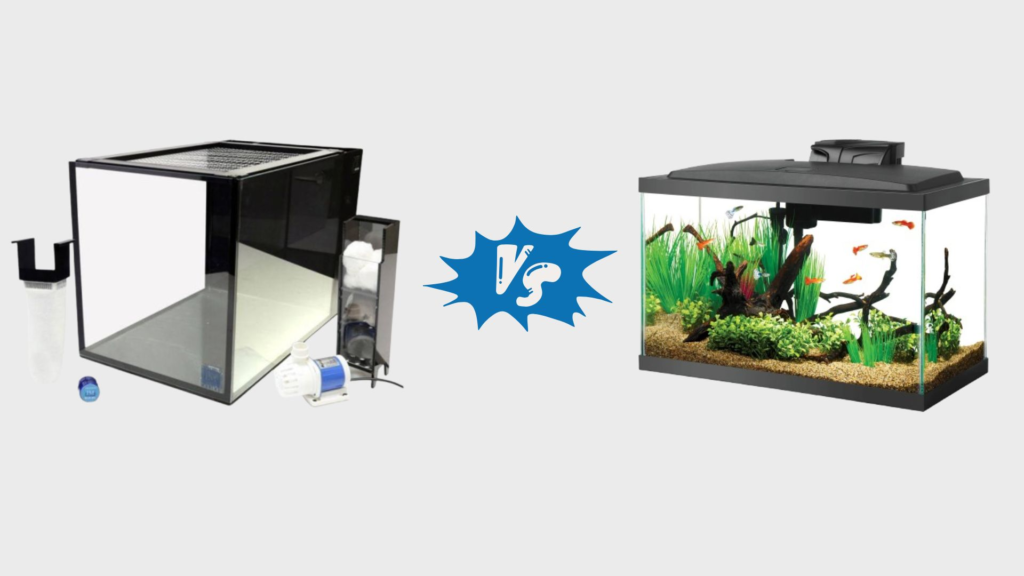
Choosing your first aquarium setup or upgrading from a basic tank often comes down to one key decision: AIO aquarium vs starter kit. Both options are popular, both can keep fish healthy, and both serve different types of hobbyists. The right choice depends on your budget, your goals, and how serious you are about long term fish keeping. An AIO aquarium is often seen as a cleaner, more integrated system, while an Aquarium Starter Kit is typically marketed as a simple, affordable way to begin. Before spending your money, it helps to understand how they differ in design, performance, flexibility, and long term value. Let’s break it down clearly so you can choose the setup that fits you best. What Is a Starter Kit Aquarium? A starter kit aquarium is a pre-packaged setup designed to give beginners the basic equipment needed to start keeping fish. Instead of buying each component separately, the tank, filter, and light are bundled together in one box. Most starter kits typically include: A standard glass aquarium A hang on back filter Basic LED lighting A lid or hood Sometimes a heater, depending on the size The main appeal of a starter kit is convenience and affordability. Everything is included, and setup is usually straightforward. You place the tank, install the filter and light, fill it with water, and begin the cycling process. Starter kits are often recommended for first time hobbyists because they reduce decision fatigue. You do not need to research individual equipment pieces right away. However, the included components are usually entry level, which means some hobbyists choose to upgrade parts later as they gain experience. This makes a starter kit a practical entry point, especially for those who want to test the hobby before investing in a more advanced system. What Is an AIO Aquarium? An AIO aquarium, short for All In One aquarium, is a tank with built-in filtration integrated directly into the system. Instead of attaching a hang-on back filter or external equipment, the filtration components are housed inside a rear or side chamber that is part of the tank’s design. This structure keeps equipment organized and out of sight, creating a cleaner display while still maintaining proper water circulation and filtration. If you would like a more detailed breakdown of how an AIO aquarium works, including its pros, cons, and long term value, read our full guide on What Is an AIO Aquarium and Is It Worth It. AIO Aquarium vs Starter Kit: Key Differences When comparing AIO aquarium vs starter kit, the differences extend far beyond the price tag. The design philosophy, filtration structure, flexibility, and long term ownership experience are noticeably different. Understanding these distinctions will help you choose the system that aligns with your expectations. 1. Design and Appearance An AIO aquarium is built with presentation in mind. Because the filtration system is integrated into the tank, there are no visible hang on back filters, intake tubes, or bulky attachments disrupting the display. The result is a cleaner, more polished look where the focus stays on the fish and aquascape. A starter kit, on the other hand, typically includes external equipment mounted on the back of the tank. While fully functional, it does not offer the same streamlined appearance. For hobbyists placing their aquarium in a living room, office, or shared space, this visual difference can be significant. If aesthetics matter to you, an AIO aquarium generally has the advantage. 2. Filtration Structure and Performance Filtration is one of the most important factors in the AIO aquarium vs starter kit decision. An AIO aquarium uses an internal chamber where water moves through multiple stages in a controlled path. This setup allows for organized media placement and often provides more room for customization. Because the system is built into the tank, water flow feels more structured and intentional. Starter kits rely on a hang on back filter. These filters are effective for basic setups, but they are typically smaller and may have limited space for additional filtration media. For lightly stocked tanks, this works well. For hobbyists looking to fine tune water quality, the internal chamber of an AIO aquarium often offers more flexibility. 3. Setup and Ease of Use Starter kits are designed for simplicity. You place the tank, install the included filter and light, fill it with water, and begin cycling. The process is straightforward and beginner friendly. An AIO aquarium may require slightly more attention during the initial setup because the filtration chamber has designated compartments. However, once installed, the system feels more organized and structured. Many hobbyists find long term maintenance easier because everything has a specific place. If your priority is the fastest and simplest installation, a starter kit may feel more comfortable. If you prefer a built in system that stays organized over time, an AIO aquarium can be more satisfying. 4. Upgrade Potential Upgrade flexibility is one of the most important differences in the AIO aquarium vs starter kit comparison. With an AIO aquarium, you can often improve components without replacing the entire system. Return pumps, filtration media, and even lighting can be upgraded as your experience grows. This allows the tank to evolve with your skill level. Starter kits usually include entry level components. While they can be upgraded, doing so often means replacing the included filter or light entirely. Over time, this can lead to multiple equipment swaps. As hobbyists gain experience, some eventually explore advanced monitoring and automation systems. If you are considering controller based setups, you can also read our guide on Is the Neptune Apex Controller Worth It to understand whether automation makes sense for your aquarium. 5. Long Term Value Starter kits have a lower upfront cost, which makes them appealing for beginners who are unsure about their long term commitment. They provide a functional entry point without a large initial investment. However, many hobbyists eventually replace basic components as they gain experience. When factoring in those upgrades, the total cost can increase
What Is an AIO Aquarium and Is It Worth It?
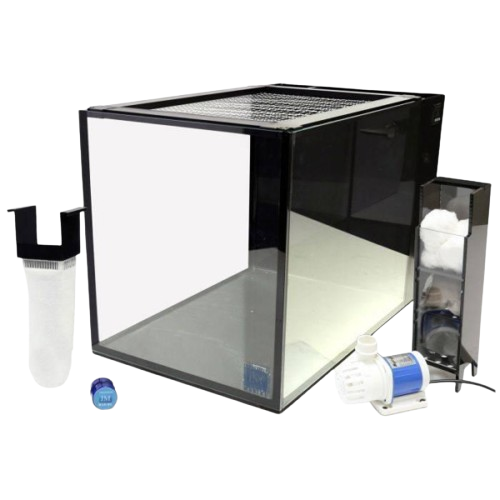
When you start comparing aquarium setups, the term AIO aquarium comes up often. It is usually positioned as a cleaner, more advanced alternative to a basic starter kit, and that raises an important question. Is it actually better, or just more expensive? Many hobbyists reach this point when they want something that looks more refined than a standard tank with equipment hanging off the back. Others are upgrading from a smaller setup and want better performance without moving into complicated sump systems. An AIO aquarium sits somewhere in the middle. It promises simplicity, organization, and a more polished display. But whether it is worth the investment depends on your goals, your budget, and how serious you are about the hobby. Before making that decision, it helps to clearly understand what an AIO aquarium is and how it works. Let’s break that down first. What Is an AIO Aquarium? An AIO aquarium, short for All In One aquarium, is a tank that has its filtration system built directly into the tank itself. Instead of using a separate hang on back filter or external equipment, the filtration components are housed in a dedicated chamber that is part of the aquarium’s design. This chamber is typically located at the back of the tank and separated from the main display area by a solid divider. From the front, you only see the display section where your fish and aquascape are. The equipment remains hidden behind the scenes. Most AIO aquarium systems include the following built in components: Mechanical filtration to remove debris and uneaten food Biological filtration media to support beneficial bacteria A return pump to circulate water back into the display A designated area for a heater Space for optional chemical media such as carbon Water flows from the display area into the rear filtration chamber, moves through each filtration stage, and is then pumped back into the tank. This creates a continuous loop that keeps the water clean and properly circulated. The main appeal of an AIO aquarium is that everything is contained within a single system. There are no external filters hanging off the back, no visible intake tubes, and no need for additional plumbing. The design keeps the setup compact and visually clean while still providing effective filtration. Because of this integrated structure, an AIO aquarium often feels more organized and streamlined compared to a traditional tank setup. How Does an AIO Aquarium Work? An AIO aquarium works by moving water through a controlled internal filtration cycle. Instead of relying on external filters, the system pulls water from the display area into the filtration section where it is cleaned and then returned back into the tank. The process typically follows these stages: 1. Surface and Intake Flow Water enters the filtration area through overflow slots or intake openings. These are positioned to pull water from the display section, often helping remove surface film and suspended debris. 2. Mechanical Filtration The first stage usually contains filter pads or sponges. This step removes visible waste such as uneaten food, fish waste, and floating particles. Mechanical filtration improves clarity and prevents debris from reaching later stages. 3. Biological Filtration Next, water flows through biological media such as ceramic rings or bio blocks. This is where beneficial bacteria live. These bacteria break down harmful ammonia and nitrites into less toxic nitrates, which is essential for maintaining stable water conditions. 4. Optional Chemical Filtration Some AIO aquarium setups include space for carbon or other chemical media. This stage helps remove odors, discoloration, and dissolved impurities. Many hobbyists use Premium Carbon Cartridge Filter Pads during this stage to improve water clarity and maintain a cleaner display. 5. Return Pump Circulation After passing through filtration, the return pump pushes the cleaned water back into the display section. This creates steady circulation, supports oxygen exchange, and helps distribute heat evenly throughout the tank. Because everything operates within one system, the water cycle remains compact and controlled. There is no need for additional plumbing or external hoses. One of the reasons many people choose an AIO aquarium is that this internal flow system keeps equipment organized while still providing reliable filtration performance. Is an AIO Aquarium Good for Beginners? Yes, an AIO aquarium can be a very good option for beginners, but it depends on what kind of start you want in the hobby. Many first time fish keepers assume they should begin with the cheapest starter kit available. While that works for some people, others quickly realize they want something that looks cleaner and performs more consistently. This is where an AIO aquarium often makes sense. For beginners, the biggest advantages are organization and simplicity. Everything has a designated place. You do not have to figure out how to mount a filter, hide equipment, or manage multiple external components. The structure guides you. An AIO aquarium is especially suitable for beginners who want: A clean and modern looking tank Less visible equipment and wires A system that feels more organized The option to upgrade components later A tank that works well in living rooms or offices Another important factor is water stability. Mid-sized AIO aquariums, such as the Fusion Pro 2 14 Gallon AIO Peninsula Aquarium, often provide more stable water conditions than very small entry level tanks. Stable water parameters make fish keeping easier and more forgiving for beginners. That said, there are a few considerations. An AIO aquarium usually costs more upfront than a basic starter kit. If budget is the primary concern and you are testing the hobby, a simple starter setup may feel safer financially. However, for beginners who already know they want a well designed display and plan to stay in the hobby, starting with an AIO aquarium can actually prevent the need to upgrade later. In practical terms, an AIO aquarium is beginner friendly when: You are willing to learn basic maintenance You want a long term setup instead of a temporary one You value both function and presentation For many
Is the Neptune Apex Controller Worth It in 2026?
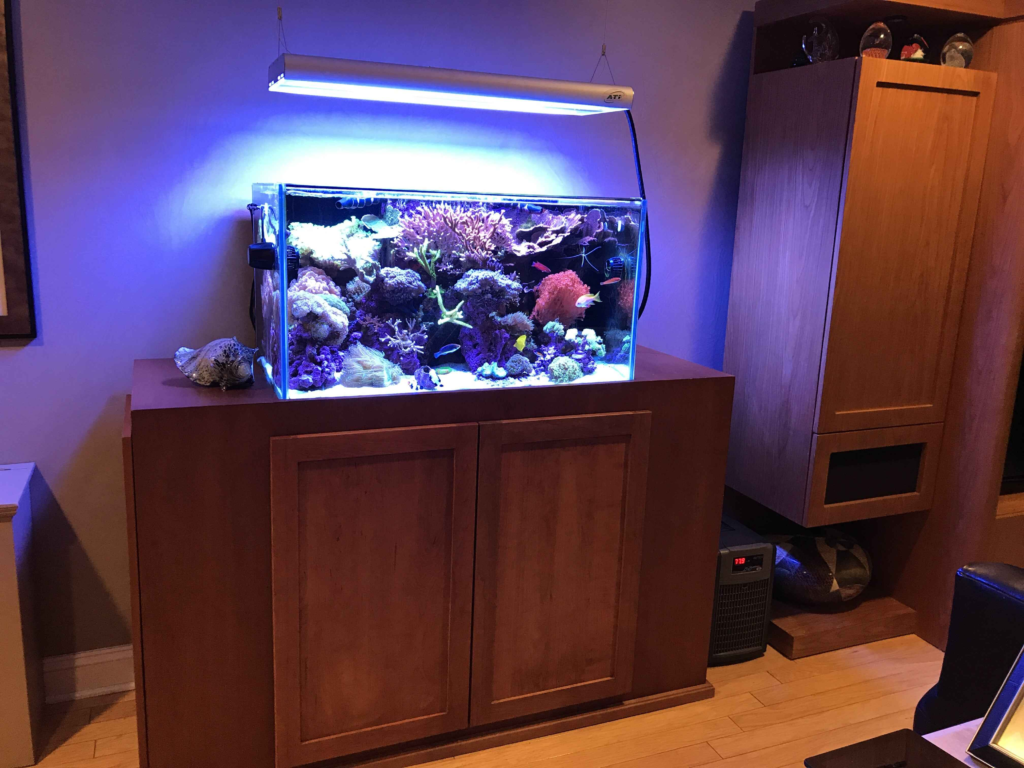
If you are considering a controller for your reef tank, you are likely weighing more than just features and price. A reef system is a serious investment, and once fish and corals are involved, even small failures can turn into expensive problems. That is why many reef keepers start looking at controllers, not for convenience, but for stability and peace of mind. The Neptune Apex Controller has been a trusted tool in reef keeping for many years, and it remains highly relevant for modern aquarium setups. It is worth the investment for reef keepers who want early warnings, tighter control over critical equipment, and added protection against unexpected tank failures. The Apex is especially useful for larger or more complex systems, where temperature swings, equipment malfunctions, or power interruptions can quickly lead to serious losses. Knowing how and where the Apex adds real, day to day value makes it easier to decide whether it is the right fit for your specific reef tank. What the Neptune Apex Controller Does in Everyday Use On paper, the Neptune Apex Controller monitors temperature, pH, power usage, and other parameters depending on the probes you connect. Those details are easy to list, but they do not fully explain why reef keepers rely on the system day after day. In real world use, the Apex works as a constant layer of oversight for your reef tank. It quietly monitors how your system behaves around the clock, paying attention to changes that are easy to miss during manual checks, especially when you are not home or are asleep. When paired with an automatic top off system, the Apex can also help maintain stable salinity by monitoring and managing water levels more accurately. This is where the Apex provides practical value: It tracks temperature continuously and flags abnormal swings early It detects heater failures or equipment drawing unusual power It notices when a return pump or circulation pump stops unexpectedly It sends alerts before livestock is exposed to prolonged stress Timing is critical in reef keeping. Most serious tank failures do not develop slowly. They happen overnight, during power interruptions, heater malfunctions, or dosing errors. Without monitoring, these problems are often discovered only after damage has already occurred. This is not about automation for convenience. It is about prevention. By identifying issues early and giving you time to respond, the Neptune Apex Controller helps prevent small problems from turning into major losses. What Makes the Apex a Strong Choice Today The current Neptune Apex system is more refined and dependable than earlier versions, which is one of the main reasons it remains a popular choice among reef keepers. Developed by Neptune Systems, the Apex benefits from long term product support and ongoing improvements from a company focused entirely on reef aquarium technology. Setup is straightforward, and basic monitoring can be configured without advanced technical knowledge. Mobile alerts are responsive, cloud access is stable, and compatibility with modern reef equipment is seamless. Where the Apex truly stands out is reliability. The system maintains consistent connections, provides clear reminders for probe calibration, and delivers accurate power monitoring that helps identify equipment issues early. These improvements may not be flashy, but they are far more important than adding new features. A controller only has value if it can be trusted, and the Apex earns that trust through stability and consistency in everyday use. Is the Neptune Apex Controller Right for Your Reef Tank The Neptune Apex Controller is not a requirement for every reef tank, and that is important to acknowledge upfront. Some systems can be managed successfully with regular manual checks and simple equipment. The question is not whether the Apex is good, but whether it fits the level of risk and responsibility your reef tank carries. The Apex becomes increasingly valuable as a reef system grows in complexity or importance. It is particularly well suited for reef keepers who have less room for error or cannot monitor their tanks constantly. It is likely a good fit if your reef tank includes any of the following: A medium to large system where small parameter swings can escalate quickly Expensive corals or sensitive fish that depend on stable conditions Multiple heaters, dosing pumps, or reactors running together Periods where the tank is left unattended due to work or travel In these situations, the Apex is not about automating every task or taking control away from the aquarist. It serves as a safeguard, providing visibility into what is happening when you are not present and alerting you before minor issues become serious problems. If your reef tank is small, simple, and monitored closely every day, the Apex may feel unnecessary. But for reef keepers managing higher stakes systems, it offers reassurance, early warnings, and a level of oversight that is difficult to achieve manually. For reef keepers who want monitoring and protection without a fully loaded setup, the Apex EL Controller System can be a practical starting point. What the Neptune Apex Controller Offers That Standalone Devices Cannot It is possible to piece together smart plugs, timers, and individual monitoring tools, but each of these works on its own. The limitation is not the devices themselves, it is the lack of coordination between them. The Neptune Apex Controller brings monitoring, control, and alerts into a single system that understands how your aquarium operates as a whole. For reef keepers who prefer hands on access at the tank, adding an Apex display module allows system data and controls to be viewed without relying only on a mobile device. When temperature data, power usage, and equipment status are connected, the system can respond intelligently instead of simply reacting. If a heater begins to overheat, the Apex can shut it down automatically while alerting you at the same time. If a critical pump stops drawing power, you are notified immediately rather than discovering the issue hours later. This level of coordinated response is extremely difficult to achieve with standalone devices. Over time, the
Why Is My Aquarium Water Cloudy and How to Fix It
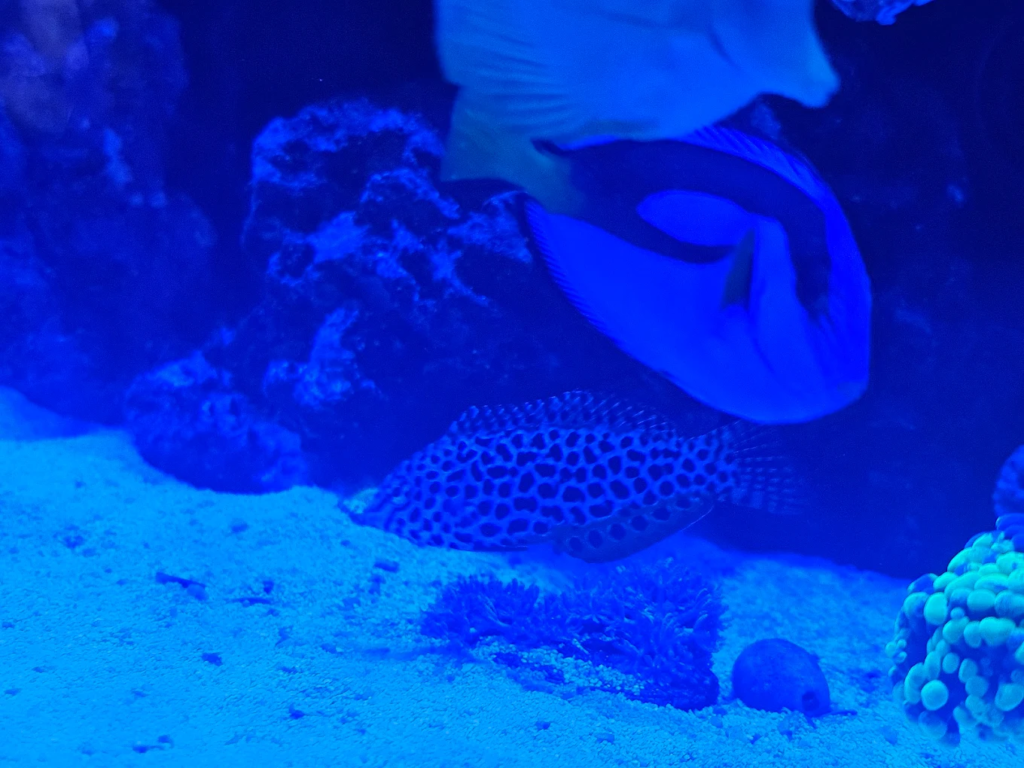
Cloudy aquarium water is a clear sign that something in the tank is out of balance. It can appear suddenly or develop over time, and while it may look like a simple visibility issue, it usually points to changes in water chemistry, filtration, feeding habits, or biological activity inside the system. Understanding what causes cloudy water is essential because the solution depends on the type of cloudiness and how the aquarium is being maintained. Treating the symptom without identifying the source often leads to repeated problems and unnecessary stress on fish. This guide explains the most common reasons aquarium water becomes cloudy, how to identify the underlying cause, and the correct steps to restore water clarity without disrupting the health of the aquarium. First Identify the Type of Cloudy Water Before trying to correct cloudy aquarium water, it is important to observe how the water looks and when the cloudiness appeared. The color, density, and timing provide strong clues about what is happening inside the tank and help narrow down the correct solution. Milky White Or Gray Cloudiness Milky white or gray water is most often linked to a bacterial bloom. This typically occurs in newly set up aquariums, after an overly aggressive cleaning, or when there has been a sudden increase in the number of fish or overall waste in the tank. In these situations, beneficial bacteria multiply faster than the system can stabilize, which causes the water to appear cloudy until balance is restored. Green Cloudy Water Green water is caused by free floating algae suspended throughout the aquarium. This type of cloudiness develops when light exposure and available nutrients are out of balance. Extended lighting periods, excess feeding, or elevated nitrate and phosphate levels create ideal conditions for algae to spread rapidly through the water column. When excess nutrients contribute to persistent algae blooms, phosphate absorbing media such as PhosGuard can help reduce fuel sources that lead to green cloudy water. Brown Or Yellow Tinted Cloudiness Brown or yellow tinted water is usually the result of tannins released from driftwood or a gradual buildup of organic material. This is more common in freshwater aquariums and does not typically pose a risk to fish. While the water may appear discolored, the issue is largely aesthetic and can be managed through regular maintenance and filtration adjustments. Once the type of cloudiness is identified, addressing the underlying cause becomes much more direct and effective. Common Reasons Aquarium Water Becomes Cloudy Cloudy aquarium water is rarely caused by a single mistake. In most cases, it is the result of small issues that gradually disrupt balance inside the tank. Feeding habits, filtration performance, cleaning routines, and water chemistry all work together. When one or more of these areas is off, water clarity is usually the first thing to change. Understanding the most common causes makes it easier to correct the problem at its source instead of relying on temporary fixes. 1. Overfeeding the Tank Overfeeding is one of the most frequent causes of cloudy aquarium water, and it often happens without realizing it. Uneaten food breaks down quickly and releases waste into the water, while even properly eaten food contributes to increased waste when feeding amounts are too high. Over time, this excess organic matter fuels bacterial growth and algae, both of which reduce water clarity. A simple way to gauge feeding levels is to observe how quickly food disappears. Food should be fully consumed within two minutes. If it lingers longer than that, feeding amounts are likely too high. 2. Incomplete or Unstable Filtration Filtration plays a much larger role than removing visible debris. It supports biological balance by providing a place for beneficial bacteria to grow and process waste. In systems where standard filters struggle to keep up, upgrading to a properly sized canister filter such as the FiltroSmart 200 can provide stronger mechanical and biological filtration for clearer water. When filters are undersized, poorly maintained, or replaced without preserving existing bacteria, cloudy water often follows. Changes to filtration should be handled carefully, especially in established tanks. If filtration performance is unclear, understanding how different systems work can make a noticeable difference. This guide on how to choose the best filtration system for your aquarium explains what actually affects water clarity and long-term stability, beyond basic specifications. 3. Cleaning Too Much or Too Little Both overcleaning and neglect can lead to cloudy water. Cleaning too aggressively removes beneficial bacteria that help keep the system stable, which can trigger bacterial blooms shortly afterward. On the other hand, cleaning too infrequently allows waste and organic material to build up, eventually clouding the water. The key is consistency rather than intensity. Maintenance should be scheduled based on tank size, stocking levels, and filtration capacity. If you are unsure how often maintenance tasks should be performed, this breakdown of how often you should clean your aquarium explains which tasks belong on a weekly, monthly, or occasional schedule. 4. New Tank Syndrome Cloudy water is very common in newly set up aquariums. During the early stages, beneficial bacteria have not yet established themselves, and the tank is still cycling. As bacteria populations grow and adjust, temporary blooms can cause the water to appear cloudy. During this phase, patience is critical. Adding fish slowly and avoiding aggressive cleaning allows the tank to stabilize naturally. Most new tanks clear on their own once biological balance is established. 5. Water Chemistry Imbalances Water clarity is closely tied to water chemistry. Ammonia, nitrite, nitrate, and pH levels all influence how stable the system remains. Sudden changes, such as large water changes, untreated tap water, or introducing new fish, can disrupt that balance and lead to cloudiness. Monitoring nutrient levels through regular water testing helps detect changes before they begin affecting water clarity. Using a reliable nitrate test kit allows adjustments to be made early, rather than reacting after cloudiness appears. Addressing water chemistry issues promptly reduces the risk of repeated cloudiness and helps maintain a stable, healthy environment
How Often Should You Clean Your Aquarium and Why It Matters
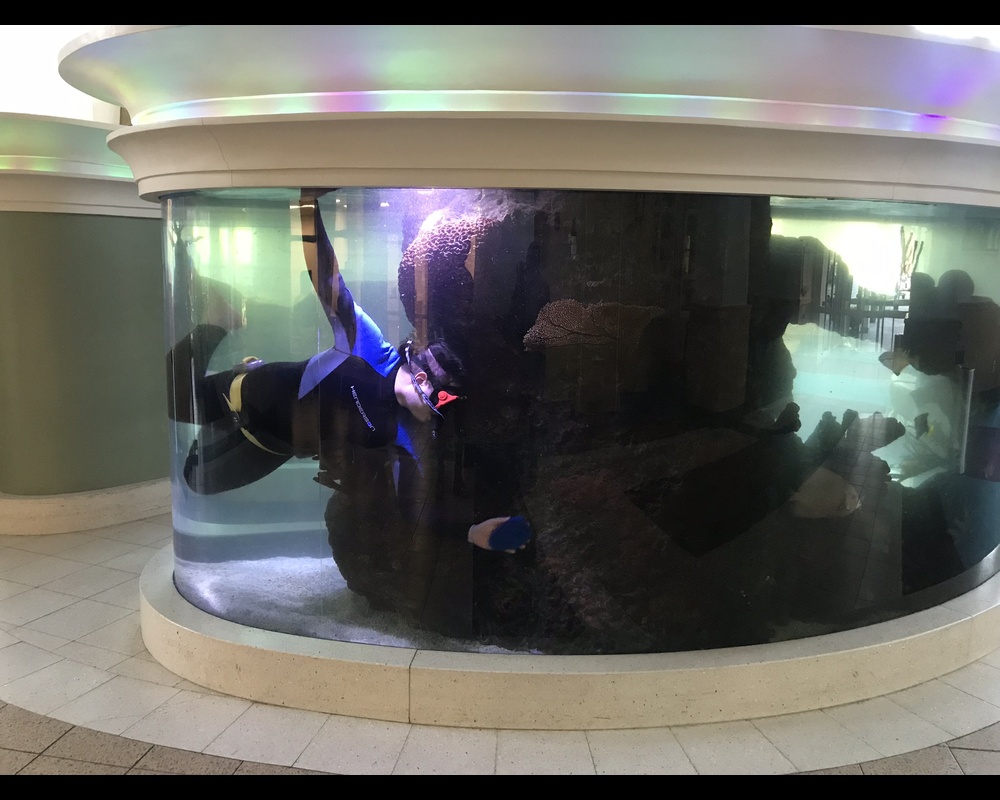
Keeping your aquarium clean is one of the most important parts of maintaining a healthy environment for your fish. A clear tank is not just about appearance. Clean water supports stable chemistry, prevents disease, and helps your system run the way it is supposed to. Many aquarium owners think cleaning is something you do only when the water looks cloudy, but waiting until there is a visible problem usually means the issue has already started to affect your fish. Understanding how often to clean your tank and what each type of maintenance actually does will help you avoid common mistakes and keep your aquarium stable for the long term. Whether you have a freshwater setup or a saltwater system, consistent care is the foundation of a healthy aquarium. Why Regular Cleaning Matters Aquariums operate as small ecosystems. Fish waste, leftover food, plant debris, and other organic materials break down over time. If these waste products are not removed, they release harmful compounds that affect water quality. Poor water conditions stress fish and weaken their immune systems, which makes them more vulnerable to disease. A consistent cleaning schedule helps prevent these issues before they develop. Stable water quality is the biggest factor in long term success, and most aquarium problems start when maintenance becomes irregular. Regular cleaning also helps your filtration system work more efficiently, allowing it to handle daily waste more effectively. Over time, this creates a stable and predictable environment where fish and plants can thrive with less risk of sudden changes. How Often Should You Clean Your Aquarium The exact timeline depends on your tank size, filtration, livestock, and whether you have a freshwater or saltwater system. However, most aquariums benefit from a predictable cleaning schedule. Weekly Maintenance A quick weekly routine keeps your system stable and prevents problems from building up. Weekly tasks usually include: Checking water clarity and temperature Testing water parameters Removing debris or uneaten food from the substrate Cleaning the glass if needed These small habits make a big difference because they help you catch early signs of imbalance before they turn into larger issues. Bi Weekly Water Changes Most aquariums require a water change once every one to two weeks. The goal is to remove old water containing dissolved waste and replace it with fresh, clean water. This helps maintain consistent pH, nitrate levels, and overall water stability. Freshwater tanks usually follow a 20 to 30 percent change every one to two weeks. Saltwater tanks often follow a similar schedule, but the water needs to be prepared with the correct salinity before use. Monthly Deep Cleaning A monthly session focuses on the parts of your aquarium that gradually collect waste over time. This includes: Rinsing filter media in old tank water Cleaning the filter housing Lightly vacuuming the substrate Inspecting equipment such as heaters, pumps, and skimmers These tasks keep the system running smoothly without disrupting beneficial bacteria. How Freshwater and Saltwater Cleaning Schedules Differ Freshwater aquariums are usually easier to maintain because the water chemistry is more stable and fish are less sensitive to small fluctuations. They can often follow a simple weekly and bi weekly routine without much complication. Saltwater aquariums require more attention because marine species depend on precise and stable water parameters. Corals, in particular, need clean, nutrient balanced water. Skimmers, reactors, and high flow systems also need periodic care to keep everything functioning properly. While the basic timeline is similar, saltwater cleaning requires more careful testing and more frequent equipment checks. Common Cleaning Mistakes to Avoid A few simple errors can disrupt the balance of your aquarium, even if the tank looks clean on the surface. Cleaning too aggressively or replacing all filter media at once removes beneficial bacteria that your system depends on. Large water changes done too quickly can also shock your fish and cause sudden shifts in water chemistry. Another common issue is using untreated tap water, which can introduce chlorine and other harmful substances into the tank. Keeping your routine gentle and consistent is the key to avoiding these problems. Signs Your Aquarium Needs More Frequent Cleaning Even if you follow a regular maintenance routine, your tank may show signs that it needs extra attention. These early indicators are usually your system’s way of telling you that waste is building up faster than your schedule can manage. Look for signs such as: Cloudy or slightly tinted water Excess algae growth on the glass, rocks, or decorations Strong or unusual odors coming from the tank Fish breathing rapidly or spending more time near the surface Slower water flow caused by clogged filters or pumps When these issues appear, they usually point to rising nutrient levels or reduced filtration efficiency. Addressing them by increasing water changes, adjusting feeding habits, or cleaning equipment more often can help restore balance and prevent long term problems. How Tank Size Affects Cleaning Frequency Smaller tanks need more frequent attention because waste builds up faster in limited water volume. Larger tanks stay more stable because they dilute waste more effectively. Small tanks under 20 gallons often require weekly water changes Medium tanks between 20 and 50 gallons can follow a one to two week cycle Large tanks over 75 gallons usually stay stable with bi weekly or monthly routines The bigger the tank, the more forgiving it becomes. How to Make Cleaning Easier Cleaning your aquarium does not have to feel overwhelming. With a few simple habits, you can streamline your routine and keep the tank running smoothly without spending a lot of time each week. Small steps done consistently make the biggest difference in long term stability. Here are a few ways to make maintenance easier: Use an algae magnet for quick glass cleaning between water changes Keep testing kits within reach so weekly checks take only a few minutes Install a reliable filtration system that can handle your tank size and bioload Use a gravel vacuum during water changes to remove debris trapped in the substrate Follow a
Saltwater vs Freshwater Aquariums: How to Choose the Right System for Your Space
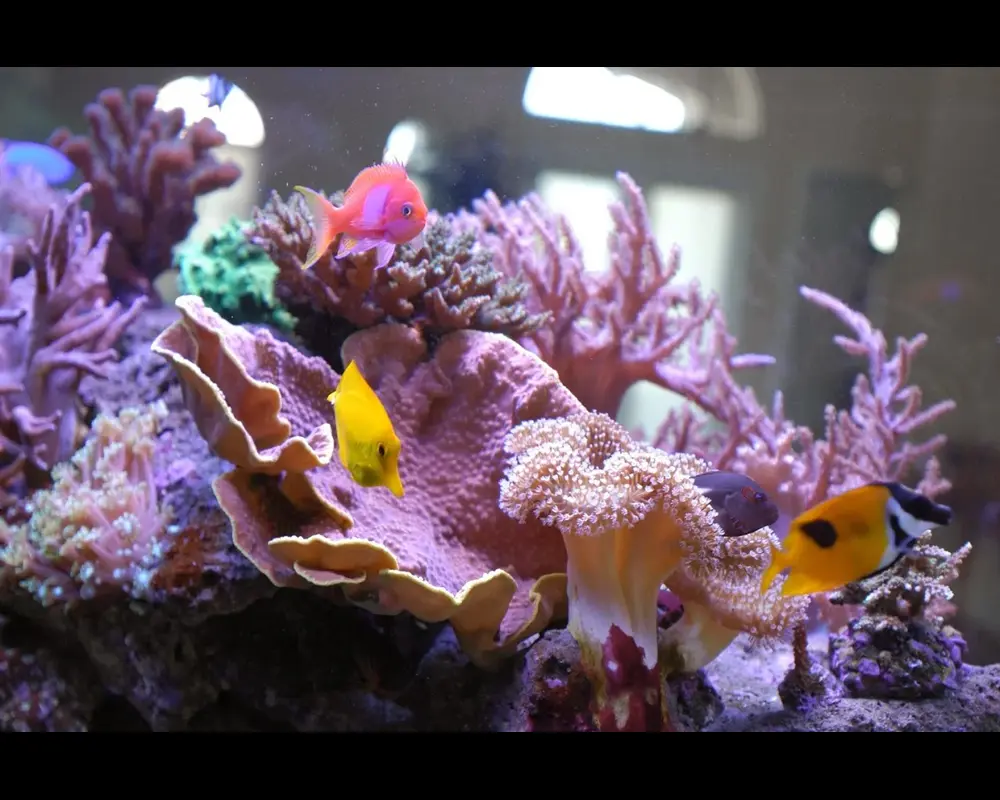
Choosing the right type of aquarium is one of the most important decisions you will make when starting your aquatic setup. Saltwater and freshwater aquariums each offer unique benefits, challenges, costs, and visual styles. The best choice depends on your experience, your budget, and the kind of environment you want to create. This guide breaks down everything you need to know about both types of aquariums. You will find clear explanations, practical pros and cons, and direct comparisons to help you choose the perfect system for your space. Saltwater Aquariums Saltwater aquariums are known for their vibrant colors, exotic species, and visually stunning displays. They recreate a slice of the ocean with marine fish, corals, invertebrates, and live rock. Saltwater systems offer an impressive and dynamic look, which is why many people choose them as statement pieces. These aquariums are more sensitive to changes in water chemistry and require more precise care, but the payoff is a premium looking ecosystem with unmatched color and movement. Pros of Saltwater Aquariums Unmatched color and visual variety: Marine fish and corals offer bright colors, unique patterns, and eye catching shapes. Saltwater tanks immediately stand out in any room. These intense colors stay vibrant under reef lighting, giving the entire aquarium a glowing, high contrast appearance. Access to exotic species and corals: Clownfish, tangs, gobies, wrasses, and dozens of coral types are available. This gives you endless options for customization. Many marine species also have unique personalities and behaviors, adding even more character to your display. Dynamic and interactive environment: Corals sway with water flow, marine fish display interesting behaviors, and the tank becomes a constantly changing environment. The movement of invertebrates, crustaceans, and coral polyps creates a living ecosystem that feels active and natural. High end, premium appearance: Saltwater displays look luxurious and professional. They are commonly used in upscale homes, offices, restaurants, and lobbies. The combination of colorful fish, glowing corals, and intricate rock structures creates a display that feels artistic and meticulously designed. Cons of Saltwater Aquariums Higher setup and maintenance costs: Specialized lighting, protein skimmers, salt mixes, and marine livestock make saltwater systems more expensive than freshwater. The ongoing cost of replacement parts, supplements, and premium foods can add up over time. More complex care requirements: Saltwater tanks require careful monitoring of salinity, alkalinity, calcium, magnesium, and other parameters. Stability is essential. Even minor imbalances can impact corals or sensitive fish, so regular testing and adjustments are a key part of ownership. Longer learning curve: Beginners can succeed, but it requires patience and consistency. Mistakes can have more serious effects on marine species. Understanding how equipment, water chemistry, and livestock work together takes time and practice. More time needed for routine care: Preparing saltwater, testing parameters, and maintaining equipment requires regular involvement. Tasks like cleaning skimmers, refilling top off systems, and monitoring evaporation levels add to the weekly effort. Freshwater Aquariums Freshwater aquariums are the most popular choice for beginners because they are more affordable, easier to maintain, and far more forgiving. These systems typically use simple equipment and require less detailed water testing. The freshwater world offers a wide range of hardy fish species that thrive with basic care. Freshwater tanks often create a peaceful, nature inspired environment with live plants, driftwood, and stones. They are simple, calming, and ideal for homes and businesses that want a low maintenance aquatic display. Pros of Freshwater Aquariums Beginner friendly and easy to maintain: Freshwater systems are more stable and require less frequent testing. Routine care is simple for new and experienced owners. Most freshwater fish tolerate small fluctuations in water quality, making the system forgiving for beginners. Lower cost for setup and long term care: Equipment, fish, plants, and ongoing supplies are more affordable compared to saltwater. These lower costs help owners maintain larger or more decorated tanks without a major investment. Wide range of hardy and colorful species: Tetras, guppies, mollies, cichlids, plecos, and goldfish provide great variety without complex care needs. Many of these species breed easily and adapt well to a wide range of water conditions. Perfect for planted tanks: Freshwater planted aquariums look natural and relaxing. Live plants also help stabilize the environment. A thriving planted tank improves water quality while creating a visually calming and balanced layout. Cons of Freshwater Aquariums Less color intensity compared to saltwater: Freshwater fish are beautiful but generally not as bright or exotic as marine species. Even with colorful species, the overall appearance tends to be softer and more subtle. Limited access to specialty species: Freshwater systems cannot support marine fish, corals, or invertebrates found in saltwater environments. This limits the variety of unique behaviors and visual features available in a freshwater setup. Some species may still require careful management: Cichlids, discus, and certain plants may need more advanced care, though still less than saltwater setups. These species may require specific water parameters or more controlled tank conditions to thrive. Key Comparisons to Help You Choose Saltwater and freshwater aquariums each have strengths, challenges, and care requirements that suit different types of owners. Understanding how they compare in maintenance, cost, appearance, and overall commitment will help you choose the setup that fits your routine and expectations. Maintenance Freshwater aquariums require simple weekly or bi weekly water changes and basic testing for ammonia, nitrates, nitrites, and pH. Saltwater systems need more involved care with regular testing for salinity, calcium, alkalinity, and trace elements. If you want a hands off approach, freshwater is easier to manage. If you enjoy detailed care routines, saltwater can be very rewarding. Cost Freshwater aquariums are budget friendly and use standard lights and filters. Saltwater systems use specialty equipment, high output lighting, and more expensive fish and corals. The difference in cost is noticeable, especially during the initial setup. Setup Complexity Freshwater setups are straightforward and easy to stabilize. Saltwater systems require additional steps such as mixing saltwater, cycling live rock, and acclimating marine species. Understanding how equipment works is also more important in saltwater environments. Aesthetic
How to Choose the Best Filtration System for Your Aquarium
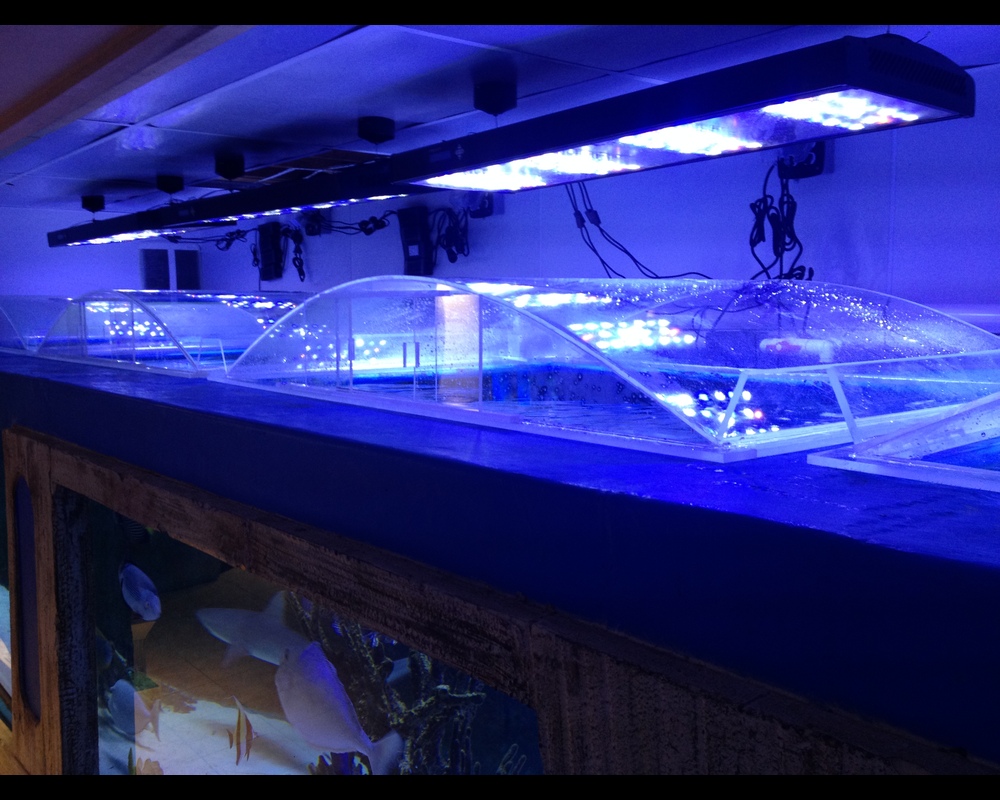
Choosing the right filtration system is one of the most important steps in creating a healthy, stable aquarium. Your filter controls water clarity, removes harmful waste, and keeps key water parameters in balance so your fish can thrive. Many aquarium owners deal with cloudy water, algae growth, or sick fish simply because their filtration system is not strong enough or not suited for their tank. A clear understanding of how aquarium filters work and which type fits your setup will help you prevent these issues before they start. With the right filtration system, your tank becomes easier to maintain, more stable over time, and far healthier for every fish, plant, or coral inside it. Why Filtration Matters in Every Aquarium Every aquarium is a closed environment, which means waste does not leave the system unless it is filtered out or broken down naturally. Fish waste, leftover food, plant debris, and other organic materials start to release ammonia as they decompose. Ammonia is highly toxic, and even small spikes can stress your fish or disrupt your water chemistry. A proper filtration system keeps these waste levels under control, maintains stability, and prevents harmful compounds from building up. A well designed filter supports the overall health of your aquarium by improving essential conditions such as: Clearer and cleaner water Better oxygen circulation Reduced algae growth Stronger immune function in fish Fewer major cleanings and emergency fixes When filtration is weak or undersized, the tank quickly becomes unbalanced, even if you perform regular maintenance. A reliable filtration system forms the foundation of a stable aquarium and makes long term success much easier to achieve. The Three Types of Filtration You Need Every effective aquarium filter performs three essential functions. Understanding these will make choosing the right system much easier. Mechanical Filtration Mechanical filtration removes visible debris such as uneaten food, waste particles, and plant matter. It works like a sieve, trapping particles in sponges, pads, or floss. This prevents buildup in the tank and keeps the water looking clear. It also helps protect other filtration stages from clogging. Biological Filtration Biological filtration is the heart of a healthy aquarium. Beneficial bacteria break down toxic ammonia and nitrites into safer nitrates. These bacteria live in the filter media, on surfaces, and inside the substrate. Without strong biological filtration, water quality becomes unstable and fish become stressed. Chemical Filtration Chemical filtration removes dissolved impurities that cannot be filtered mechanically or biologically. Common media types include activated carbon, resins, and specific chemical removers. This helps remove odors, discoloration, medications, and stubborn pollutants that can affect clarity and water chemistry. A complete filtration system ideally provides all three types for the best long term results. Types of Aquarium Filters and How to Choose the Right One Each filter type has strengths and weaknesses. The best choice depends on your tank size, livestock, budget, and maintenance style. 1. Hang On Back (HOB) Filters HOB filters are popular for beginners because they are simple to install and easy to maintain. They hang on the back of the tank and combine mechanical, biological, and sometimes chemical filtration. Best for: Small to medium freshwater tanks, community fish, and beginner setups. Why they work well: Affordable Easy to clean Good balance of filtration types Considerations: They may not provide enough flow for heavily stocked or larger tanks. 2. Canister Filters Canister filters offer powerful filtration and large media capacity. They sit outside the tank and use hoses to pull water in and push clean water back. Best for: Medium to large tanks, planted aquariums, cichlid setups, and lightly stocked saltwater tanks when used with a hang-on filter. Why they work well: Excellent mechanical and biological filtration Quiet and efficient Fully customizable media Considerations: They require more setup time and occasional deeper cleanings. Because they are a closed filter they provide limited to no gas exchange and may require additional filtration to serve this function. 3. Internal Filters These filters sit inside the aquarium and are ideal for small tanks, shrimp tanks, and quarantine setups. Best for: Nano tanks, small freshwater setups, and simple planted tanks. Why they work well: Compact and affordable Easy to install Good for low waste tanks Considerations: They take up space inside the aquarium and have limited power compared to HOB or canister filters. 4. Sponge Filters Sponge filters are driven by an air pump and provide gentle water flow. They are widely used in breeding tanks and tanks with delicate species. Best for: Betta tanks, fry tanks, shrimp tanks, and low flow environments. Why they work well: Great biological filtration Safe for fragile fish and shrimp Extremely low maintenance Considerations: They need an air pump and do not provide strong mechanical or chemical filtration on their own. 5. Sump Filters Sumps are common in saltwater and high end freshwater systems. They sit below the tank and provide powerful filtration, ample media space, and room for additional equipment. Best for: Saltwater tanks, reef setups, and large custom aquariums. Why they work well: Highly customizable Supports advanced equipment Ideal for heavy bioloads Considerations: Requires more plumbing, space, and investment. 6. Protein Skimmers Although not a traditional filter, protein skimmers are essential for saltwater tanks. They remove dissolved waste before it breaks down. Best for: Saltwater tanks, especially reef systems. Why they work well: Reduces nutrient buildup Helps prevent algae Improves oxygen levels Considerations: Not used in freshwater aquariums. How to Match a Filter to Your Tank Size Your tank size plays a major role in choosing the right filter. Most filters are rated by gallons per hour (GPH) or the tank size they support. A general guideline is: Small tanks up to 20 gallons: internal filters, sponge filters, or small HOB filters Medium tanks 20 to 55 gallons: HOB or canister filters Large tanks 55 gallons and above: canister filters, sumps, or a combination Saltwater tanks of any size: add a skimmer for best results When in doubt, choose a slightly stronger filter than your tank size requires.