
Is the Neptune Apex Controller Worth It in 2026?
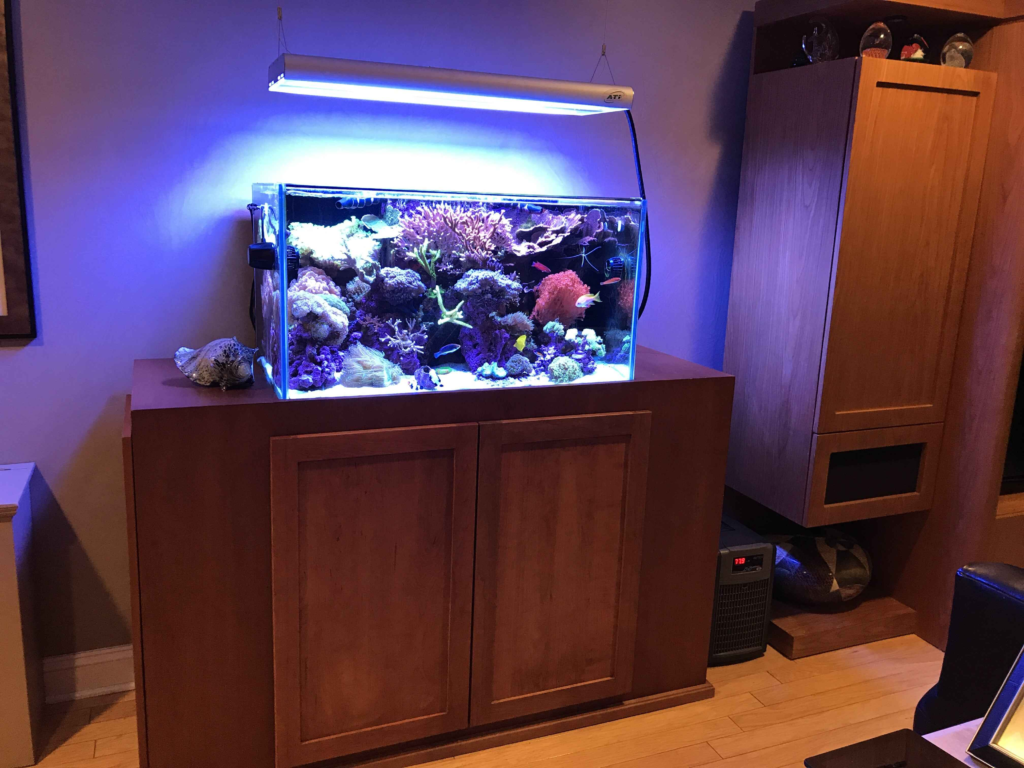
If you are considering a controller for your reef tank, you are likely weighing more than just features and price. A reef system is a serious investment, and once fish and corals are involved, even small failures can turn into expensive problems. That is why many reef keepers start looking at controllers, not for convenience, but for stability and peace of mind. The Neptune Apex Controller has been a trusted tool in reef keeping for many years, and it remains highly relevant for modern aquarium setups. It is worth the investment for reef keepers who want early warnings, tighter control over critical equipment, and added protection against unexpected tank failures. The Apex is especially useful for larger or more complex systems, where temperature swings, equipment malfunctions, or power interruptions can quickly lead to serious losses. Knowing how and where the Apex adds real, day to day value makes it easier to decide whether it is the right fit for your specific reef tank. What the Neptune Apex Controller Does in Everyday Use On paper, the Neptune Apex Controller monitors temperature, pH, power usage, and other parameters depending on the probes you connect. Those details are easy to list, but they do not fully explain why reef keepers rely on the system day after day. In real world use, the Apex works as a constant layer of oversight for your reef tank. It quietly monitors how your system behaves around the clock, paying attention to changes that are easy to miss during manual checks, especially when you are not home or are asleep. When paired with an automatic top off system, the Apex can also help maintain stable salinity by monitoring and managing water levels more accurately. This is where the Apex provides practical value: It tracks temperature continuously and flags abnormal swings early It detects heater failures or equipment drawing unusual power It notices when a return pump or circulation pump stops unexpectedly It sends alerts before livestock is exposed to prolonged stress Timing is critical in reef keeping. Most serious tank failures do not develop slowly. They happen overnight, during power interruptions, heater malfunctions, or dosing errors. Without monitoring, these problems are often discovered only after damage has already occurred. This is not about automation for convenience. It is about prevention. By identifying issues early and giving you time to respond, the Neptune Apex Controller helps prevent small problems from turning into major losses. What Makes the Apex a Strong Choice Today The current Neptune Apex system is more refined and dependable than earlier versions, which is one of the main reasons it remains a popular choice among reef keepers. Developed by Neptune Systems, the Apex benefits from long term product support and ongoing improvements from a company focused entirely on reef aquarium technology. Setup is straightforward, and basic monitoring can be configured without advanced technical knowledge. Mobile alerts are responsive, cloud access is stable, and compatibility with modern reef equipment is seamless. Where the Apex truly stands out is reliability. The system maintains consistent connections, provides clear reminders for probe calibration, and delivers accurate power monitoring that helps identify equipment issues early. These improvements may not be flashy, but they are far more important than adding new features. A controller only has value if it can be trusted, and the Apex earns that trust through stability and consistency in everyday use. Is the Neptune Apex Controller Right for Your Reef Tank The Neptune Apex Controller is not a requirement for every reef tank, and that is important to acknowledge upfront. Some systems can be managed successfully with regular manual checks and simple equipment. The question is not whether the Apex is good, but whether it fits the level of risk and responsibility your reef tank carries. The Apex becomes increasingly valuable as a reef system grows in complexity or importance. It is particularly well suited for reef keepers who have less room for error or cannot monitor their tanks constantly. It is likely a good fit if your reef tank includes any of the following: A medium to large system where small parameter swings can escalate quickly Expensive corals or sensitive fish that depend on stable conditions Multiple heaters, dosing pumps, or reactors running together Periods where the tank is left unattended due to work or travel In these situations, the Apex is not about automating every task or taking control away from the aquarist. It serves as a safeguard, providing visibility into what is happening when you are not present and alerting you before minor issues become serious problems. If your reef tank is small, simple, and monitored closely every day, the Apex may feel unnecessary. But for reef keepers managing higher stakes systems, it offers reassurance, early warnings, and a level of oversight that is difficult to achieve manually. For reef keepers who want monitoring and protection without a fully loaded setup, the Apex EL Controller System can be a practical starting point. What the Neptune Apex Controller Offers That Standalone Devices Cannot It is possible to piece together smart plugs, timers, and individual monitoring tools, but each of these works on its own. The limitation is not the devices themselves, it is the lack of coordination between them. The Neptune Apex Controller brings monitoring, control, and alerts into a single system that understands how your aquarium operates as a whole. For reef keepers who prefer hands on access at the tank, adding an Apex display module allows system data and controls to be viewed without relying only on a mobile device. When temperature data, power usage, and equipment status are connected, the system can respond intelligently instead of simply reacting. If a heater begins to overheat, the Apex can shut it down automatically while alerting you at the same time. If a critical pump stops drawing power, you are notified immediately rather than discovering the issue hours later. This level of coordinated response is extremely difficult to achieve with standalone devices. Over time, the