
Saltwater vs Freshwater Aquariums: How to Choose the Right System for Your Space
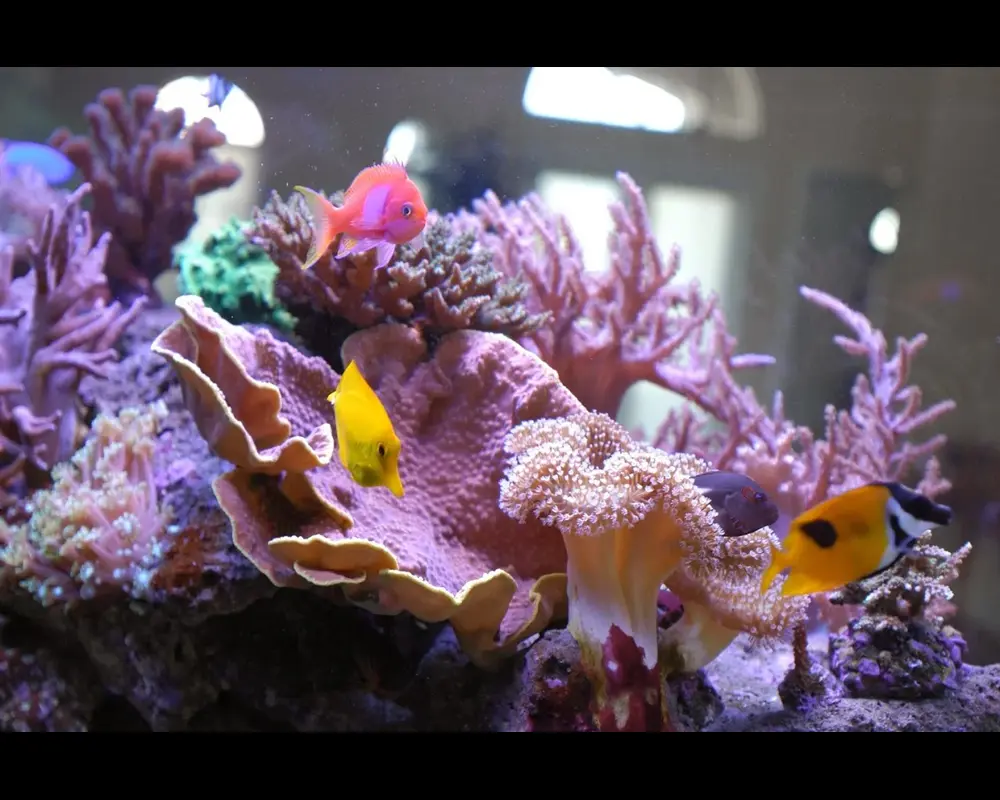
Choosing the right type of aquarium is one of the most important decisions you will make when starting your aquatic setup. Saltwater and freshwater aquariums each offer unique benefits, challenges, costs, and visual styles. The best choice depends on your experience, your budget, and the kind of environment you want to create. This guide breaks down everything you need to know about both types of aquariums. You will find clear explanations, practical pros and cons, and direct comparisons to help you choose the perfect system for your space. Saltwater Aquariums Saltwater aquariums are known for their vibrant colors, exotic species, and visually stunning displays. They recreate a slice of the ocean with marine fish, corals, invertebrates, and live rock. Saltwater systems offer an impressive and dynamic look, which is why many people choose them as statement pieces. These aquariums are more sensitive to changes in water chemistry and require more precise care, but the payoff is a premium looking ecosystem with unmatched color and movement. Pros of Saltwater Aquariums Unmatched color and visual variety: Marine fish and corals offer bright colors, unique patterns, and eye catching shapes. Saltwater tanks immediately stand out in any room. These intense colors stay vibrant under reef lighting, giving the entire aquarium a glowing, high contrast appearance. Access to exotic species and corals: Clownfish, tangs, gobies, wrasses, and dozens of coral types are available. This gives you endless options for customization. Many marine species also have unique personalities and behaviors, adding even more character to your display. Dynamic and interactive environment: Corals sway with water flow, marine fish display interesting behaviors, and the tank becomes a constantly changing environment. The movement of invertebrates, crustaceans, and coral polyps creates a living ecosystem that feels active and natural. High end, premium appearance: Saltwater displays look luxurious and professional. They are commonly used in upscale homes, offices, restaurants, and lobbies. The combination of colorful fish, glowing corals, and intricate rock structures creates a display that feels artistic and meticulously designed. Cons of Saltwater Aquariums Higher setup and maintenance costs: Specialized lighting, protein skimmers, salt mixes, and marine livestock make saltwater systems more expensive than freshwater. The ongoing cost of replacement parts, supplements, and premium foods can add up over time. More complex care requirements: Saltwater tanks require careful monitoring of salinity, alkalinity, calcium, magnesium, and other parameters. Stability is essential. Even minor imbalances can impact corals or sensitive fish, so regular testing and adjustments are a key part of ownership. Longer learning curve: Beginners can succeed, but it requires patience and consistency. Mistakes can have more serious effects on marine species. Understanding how equipment, water chemistry, and livestock work together takes time and practice. More time needed for routine care: Preparing saltwater, testing parameters, and maintaining equipment requires regular involvement. Tasks like cleaning skimmers, refilling top off systems, and monitoring evaporation levels add to the weekly effort. Freshwater Aquariums Freshwater aquariums are the most popular choice for beginners because they are more affordable, easier to maintain, and far more forgiving. These systems typically use simple equipment and require less detailed water testing. The freshwater world offers a wide range of hardy fish species that thrive with basic care. Freshwater tanks often create a peaceful, nature inspired environment with live plants, driftwood, and stones. They are simple, calming, and ideal for homes and businesses that want a low maintenance aquatic display. Pros of Freshwater Aquariums Beginner friendly and easy to maintain: Freshwater systems are more stable and require less frequent testing. Routine care is simple for new and experienced owners. Most freshwater fish tolerate small fluctuations in water quality, making the system forgiving for beginners. Lower cost for setup and long term care: Equipment, fish, plants, and ongoing supplies are more affordable compared to saltwater. These lower costs help owners maintain larger or more decorated tanks without a major investment. Wide range of hardy and colorful species: Tetras, guppies, mollies, cichlids, plecos, and goldfish provide great variety without complex care needs. Many of these species breed easily and adapt well to a wide range of water conditions. Perfect for planted tanks: Freshwater planted aquariums look natural and relaxing. Live plants also help stabilize the environment. A thriving planted tank improves water quality while creating a visually calming and balanced layout. Cons of Freshwater Aquariums Less color intensity compared to saltwater: Freshwater fish are beautiful but generally not as bright or exotic as marine species. Even with colorful species, the overall appearance tends to be softer and more subtle. Limited access to specialty species: Freshwater systems cannot support marine fish, corals, or invertebrates found in saltwater environments. This limits the variety of unique behaviors and visual features available in a freshwater setup. Some species may still require careful management: Cichlids, discus, and certain plants may need more advanced care, though still less than saltwater setups. These species may require specific water parameters or more controlled tank conditions to thrive. Key Comparisons to Help You Choose Saltwater and freshwater aquariums each have strengths, challenges, and care requirements that suit different types of owners. Understanding how they compare in maintenance, cost, appearance, and overall commitment will help you choose the setup that fits your routine and expectations. Maintenance Freshwater aquariums require simple weekly or bi weekly water changes and basic testing for ammonia, nitrates, nitrites, and pH. Saltwater systems need more involved care with regular testing for salinity, calcium, alkalinity, and trace elements. If you want a hands off approach, freshwater is easier to manage. If you enjoy detailed care routines, saltwater can be very rewarding. Cost Freshwater aquariums are budget friendly and use standard lights and filters. Saltwater systems use specialty equipment, high output lighting, and more expensive fish and corals. The difference in cost is noticeable, especially during the initial setup. Setup Complexity Freshwater setups are straightforward and easy to stabilize. Saltwater systems require additional steps such as mixing saltwater, cycling live rock, and acclimating marine species. Understanding how equipment works is also more important in saltwater environments. Aesthetic